
On 7 August 2026 the FAO reported that its Food Price Index had risen 0.6% in July to 131.1 points, its highest in three years. On its own that suggests a broad, moderate increase across the food basket. In the same release the meat sub-index fell 2.8% and dairy fell 0.7%, while cereals rose 3.4% and wheat rose 5.8%.
A buyer with a protein-weighted list and a bakery buyer working off flour faced opposite conditions in the same month, under the same headline. Q4 2026 plans therefore need building commodity by commodity rather than off one index reading, and what follows is not a price forecast.
Pressure on Cereals and Wheat in July 2026
That release attributed the July cereal moves to concerns over continued disruption to Black Sea export flows, heatwaves in the EU and the United States, and firmer energy markets amid heightened geopolitical tensions. Maize rose 3.6% alongside the wheat move.
The European part of that picture is documented in the Joint Research Centre’s MARS bulletin of 27 July 2026. EU winter crop yield forecasts were revised down 1–4%, grain maize and sunflower were cut 6–7%, and total EU cereals are now put 1% below the five-year average. The JRC ties this to two heat events: the last ten days of June, with record highs across western and southern Europe, and another in mid-July. These are forecast revisions, not measured harvest losses, and the outturn may differ in either direction.
Revisions of that kind move expectations before they move anything delivered, surfacing first in shorter quotation validity. For grain-derived lines going into Q4 the useful response is procedural: ask which origin each offer is based on, whether it is confirmed or indicative, and how long the seller can hold it. On European origin, a short validity reflects the JRC numbers rather than a negotiating tactic.
Vegetable Oils and the Food-Energy Connection
Vegetable oils tie the food basket to the energy market through the fuel cost of farming, crushing, refining and shipping, biodiesel demand competing for the same feedstock, and production conditions and import demand at either end of the trade. The World Bank’s April 2026 Commodity Markets Outlook, the current edition, forecasts energy prices up 24% in 2026, the highest since 2022, with Brent crude averaging $86 a barrel against $69 in 2025. It also forecasts overall commodity prices up 16%, and fertilizer up 31% with urea up 60%, an input cost for the next planting cycle rather than this quarter’s shipments.
The vegetable oil sub-index has been unstable: up 5.9% in the April data published on 8 May, the highest since July 2022; down 4.6% in the May data published on 5 June; up 3.8% in the June data published on 3 July; and up 2.0% in the July data published on 7 August. Two changes of direction in four consecutive releases. A position set on any one of them would have been built on a movement that reversed within weeks.
The response is mechanical rather than directional: fix the specification, keep quotation windows short and dated, and match committed volumes to forecastable consumption.
Fresh Produce Requires a Different Response
Shelf-stable commodities can be bought against a view of the quarter. Fresh produce cannot. Harvest windows open and close on their own calendar, quality varies between pickings, shelf life is finite, and the cold chain must hold from packhouse to destination.
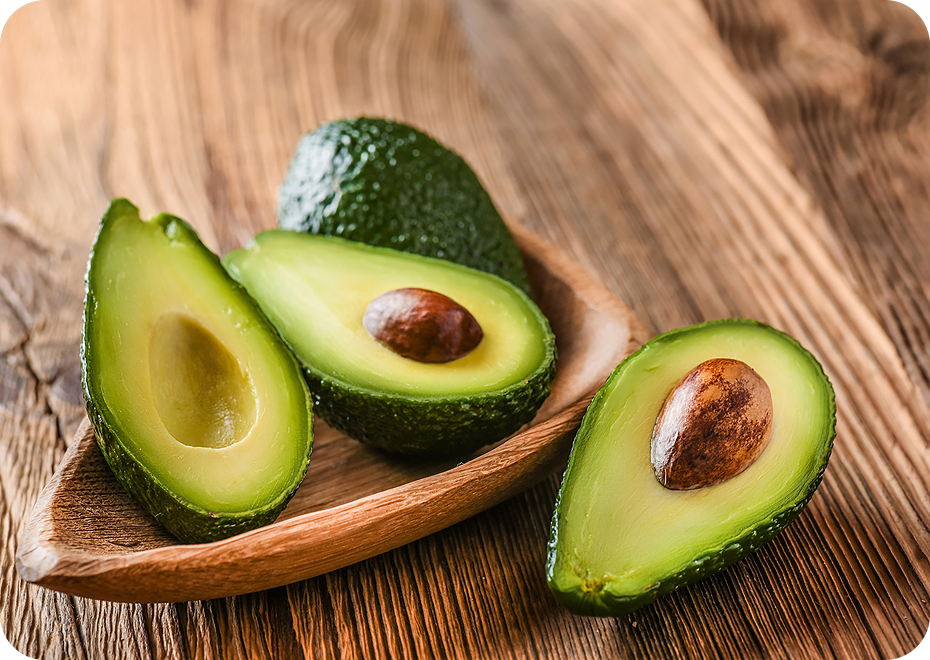
Origin rules are part of that calendar. Kenya’s Agriculture and Food Authority, in an announcement relayed by the Kenya Export Promotion and Branding Agency in March 2026, opened the 2026 avocado harvest for sea-freight export consignments on 2 April, with packhouse inspections from 7 April. Exporters must apply for inspection at least three days before shipment, fruit must be moved in crates rather than open pick-ups, and handling immature fruit attracts immediate licence revocation. Those controls set how far ahead a booking must be confirmed, and why a loading date cannot be advanced.
Transit time also behaves differently for fresh cargo. The USDA Foreign Agricultural Service attaché report on Kenyan avocados, published 6 April 2026, notes that rerouting around the Cape of Good Hope “could nearly double transit times”. A doubled transit does not just delay a pallet; it consumes the remaining life of a perishable one. Risk pricing has moved the same way: as of late July 2026, S&P Global Commodity Insights, citing Marsh, reported war-risk insurance for Strait of Hormuz transits at 7.5–10% of hull value against a historic 1–3%. Those are tanker figures rather than food-container figures, but they show how fast one cost line can reprice on its own.
Fresh programmes for Q4 need decisions on order frequency and lot size, air versus sea freight line by line, ripeness at arrival and who manages it, and how claims are evidenced and settled. Agree the maturity standard in writing and confirm how it is tested.
Five Actions UAE Buyers Should Take Before Q4
- Confirm product specifications in writing. Variety, grade, size or count per carton, packaging and labelling, and the maturity or moisture standard with its test method named. Most disputes reduce to a specification that was assumed rather than agreed.
- Separate the fixed and variable parts of every quotation. Ask which components are held for the validity period and which are pass-through: product, inland transport, ocean freight, insurance and war-risk surcharges, and the currency rate with its date. Then ask which expires first.
- Keep alternative approved origins ready. A second origin needs sample assessment, documentation review and often customer or regulatory sign-off. Done in advance, an interruption becomes a substitution rather than a gap on the shelf.
- Review buffer-stock requirements for shelf-stable products. Set cover line by line against realistic lead times, and cost extra storage against a stock-out. Buffer stock suits shelf-stable lines and rarely helps perishables.
- Agree shipment communication and escalation procedures. Name who reports a delay, on what schedule, within how many hours of a rolled booking or route change, and who may approve a deviation.
Products BNO Trading Can Discuss with Buyers
BNO Trading is a B2B sourcing and commodity-trading business connecting UAE and GCC buyers with suitable supply, much of it on Africa to UAE trade lanes. The range currently listed covers Hass avocado, cocoa beans, alkalized cocoa powder, cocoa liquor, passion fruit, dried hibiscus, watermelon and Scotch bonnet chillies.
Availability, minimum quantities and lead times are confirmed per enquiry and change through the season, with the position in any week depending on harvest stage, origin approvals and vessel schedules.
Planning the Quarter
No single assumption survives the last four FAO releases. Grains need attention to origin and quotation validity; oils need short, dated quotes and disciplined volumes; fresh produce needs harvest calendars, cold chain and transit time treated as the primary variables. Further market notes sit in our news and insights archive, alongside the full product range.
Send your specification, destination, packaging format and indicative volumes for the quarter, and our team will come back with grades, packaging options, lead times and a dated quotation.
Plan Your Q4 Commodity Requirements with BNO Trading
Sources and Further Reading
- FAO Food Price Index edges up amid weather, energy and geopolitical concerns — Food and Agriculture Organization of the United Nations, 7 August 2026.
- Heatwaves impact summer and winter crops, JRC MARS Bulletin Vol. 34 No. 6 — European Commission Joint Research Centre, 27 July 2026.
- Middle East shipping insurance costs rise on Hormuz risks — S&P Global Commodity Insights, citing Marsh, 22 July 2026.
- Commodity Markets Outlook, April 2026 — World Bank, 28 April 2026.
- Kenya: Avocado, GAIN report KE2026-0007 — USDA Foreign Agricultural Service, 6 April 2026.
Market conditions, product availability, freight costs and lead times may change. Contact BNO Trading for current specifications and a dated commercial quotation.
 English