

Archive note: This retrospective market briefing was added to the BNO Trading archive in August 2026. Its sources are limited to information available by the assigned article date.
A UAE buyer signing for a container of West African cocoa or East African fruit is not only buying the product. The landed cost also carries the diesel that worked the field and moved the crop to port, the gas that made the fertiliser, the bunker fuel that pushed the vessel across the ocean, the insurance on that voyage, and every day the box sat waiting. When one of those inputs moves sharply, landed cost moves with it, even if the supplier’s price has not changed.
That is the situation importers have been working through since shipping through the Strait of Hormuz was disrupted earlier this year. As of late May 2026, the effects show up less in the price of the food and more in the cost of everything around it. The World Bank’s April 2026 Commodity Markets Outlook, published on 28 April 2026, describes the event as the largest oil supply shock on record, with an initial reduction of roughly 10 million barrels per day from a waterway that normally handles about 35% of global seaborne crude oil trade.
How Energy Prices Enter the Food Supply Chain
Energy sits inside agricultural produce at almost every stage. Land preparation and harvesting run on diesel, irrigation runs on pumps, and nitrogen fertiliser is manufactured from natural gas. Sorting, drying, grading and packing lines consume power, and cold rooms and reefer containers consume it continuously. Road haulage to port, container handling and the ocean leg all price off fuel.
The World Bank’s April 2026 outlook forecasts overall commodity prices up 16% in 2026, energy up 24%, the highest since 2022, and Brent crude averaging $86 a barrel against $69 in 2025. Under the outlook’s escalation scenario, Brent could average $115. These are forecasts, not settled outcomes.
The input figures matter more to food buyers than the crude number. The same outlook forecasts fertiliser prices up 31% in 2026, with urea up 60%. Urea is the workhorse nitrogen input across much of Africa. A move of that size does not reach a buyer’s invoice this week; it arrives through the cost base of the next planting cycle.
Some of this shows in food price data. The FAO Food Price Index published on 8 May 2026 put the April reading at 130.7 points, up 1.6% on March, with the vegetable oil sub-index up 5.9% to its highest level since July 2022. Cereals rose 0.8% and rice 1.9%, while dairy fell 1.1% and sugar fell 4.7%. The basket is not moving as one block, so a single inflation assumption across a mixed buying plan will misprice something.
Freight and Insurance Risk
Freight is where a disruption in one corridor spreads fastest into unrelated trade lanes. Vessels are a finite pool: when tonnage is diverted, held back or repositioned around a risk area, capacity tightens on routes that have nothing to do with that corridor. An importer buying from Kenya, Ghana or Nigeria can find fewer sailings, tighter allocations and less flexibility on booking dates.
Route changes carry their own cost. A longer routing means more sea days, more bunker fuel, more crew time and a slower return of empty equipment to the load port. It also means more days of reefer power and less shelf life left on arrival.
War-risk insurance adjusts faster than most other lines. Underwriters reprice risk areas as conditions change, and those adjustments flow through to charterers and into freight quotations. Where the buyer holds the insurance obligation under the agreed Incoterm, the change lands directly on the buyer’s account.
Port congestion completes the picture. Berthing delays and equipment imbalance add demurrage exposure and widen the gap between the date a quotation was issued and the date goods arrive. Each is a reason a freight assumption made three weeks ago may no longer hold.
Fertiliser Costs and Future Harvests
The fertiliser channel is slower and easier to underestimate. If nitrogen inputs become more expensive or arrive late, some growers apply less, apply later, or switch to a cheaper blend. The consequences appear at the following harvest as changes in yield, size distribution, grade mix, or the share of a crop that meets export specification.
None of that is guaranteed. Growers adapt, governments subsidise, good weather can offset a weak input year, and regional fertiliser markets do not all move together. Treat this as a risk to monitor, not a forecast. The practical response is to keep more than one origin in conversation and ask suppliers early how their input costs are tracking.
Why Import Quotations May Need Shorter Validity
Quotation validity is not administrative fine print. It is the seller’s statement of how long they can hold a number together. As of late May 2026, several components underneath a quotation can move independently:
- Supplier price. Farmgate and FOB levels shift with local demand, currency and input costs.
- Freight. Rates, surcharges and space allocation change between booking windows.
- Currency. Pricing in a third currency adds a movement the buyer did not choose.
- Insurance. War-risk and cargo premiums adjust as underwriters reassess routes.
- Equipment. Container and reefer availability at the load port decides whether a sailing date is real.
- Documentation. Inspection slots, phytosanitary certificates and certificates of origin take time, and a missed slot moves the vessel, not the paperwork.
A shorter validity usually means the seller is pricing carefully rather than optimistically. Ask for a clear confirmation deadline and a written statement of what happens if it passes.
Practical Steps for UAE Buyers
- Confirm the quote-expiry date in writing. Know when the price lapses and who revalidates it.
- Separate product cost from freight assumptions. Ask for the FOB product price and the logistics component as distinct lines so you can see which one moved.
- Ask about alternative routings. Understand the transhipment options, transit time and cost difference before you need them.
- Maintain approved substitute origins. Qualify a second and third origin for each core line while there is no pressure to switch.
- Agree specifications early. Fix grade, size count, moisture, packaging format and labelling in writing, and confirm how each is verified.
- Plan additional lead time. Build a buffer into ordering cycles rather than assuming last season’s transit time.
- Avoid over-reliance on one supplier. Concentration risk is cheap to fix in advance and expensive to fix mid-season.
- Confirm insurance responsibilities. Establish which party carries cargo and war-risk cover under the agreed Incoterm, and what it excludes.
- Monitor shipment milestones. Track booking, loading, sailing, transhipment and arrival, and escalate on the first slipped date, not the third.
Pricing the Chain, Not Just the Product
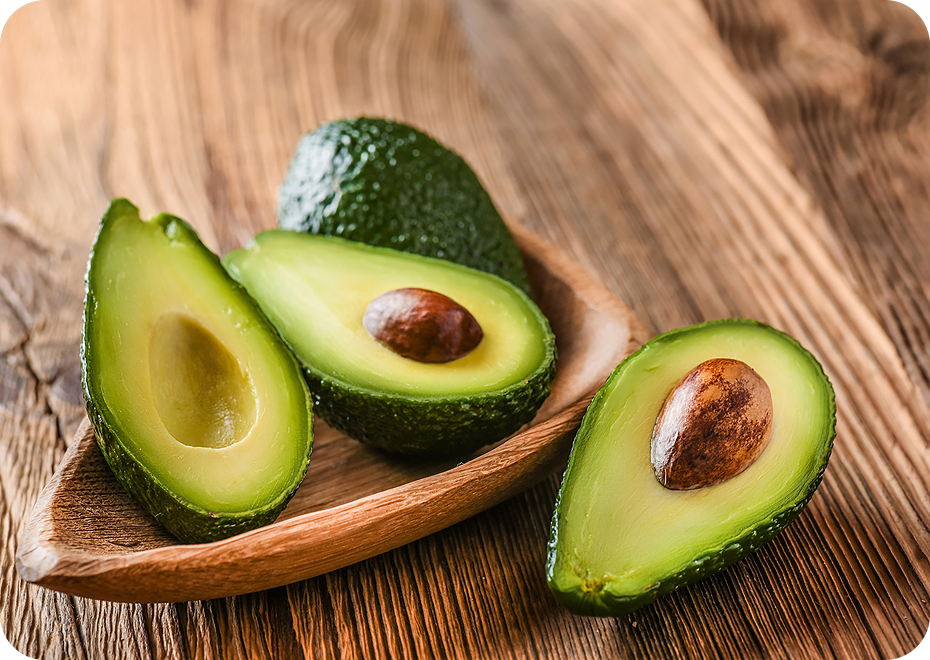
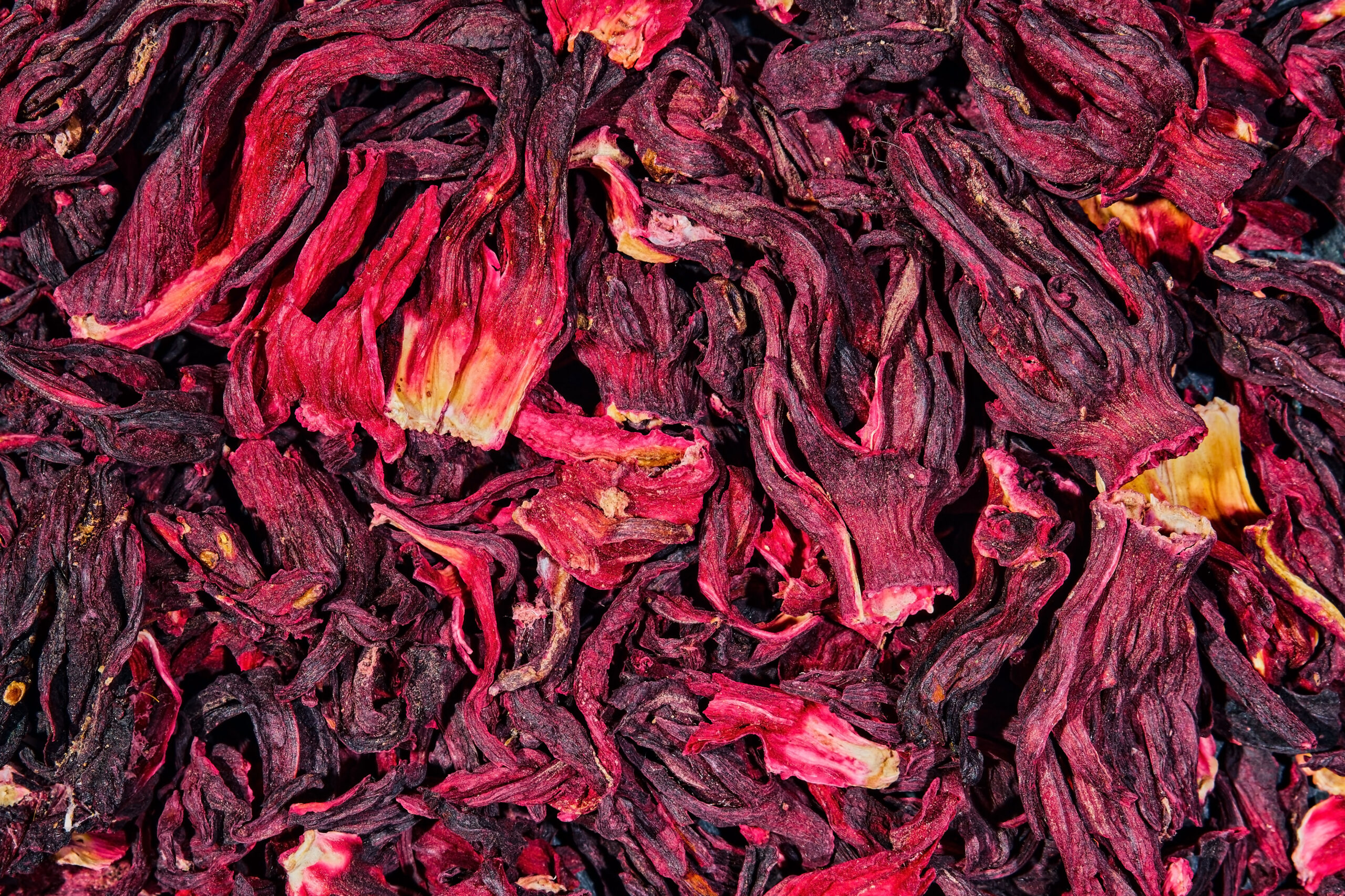
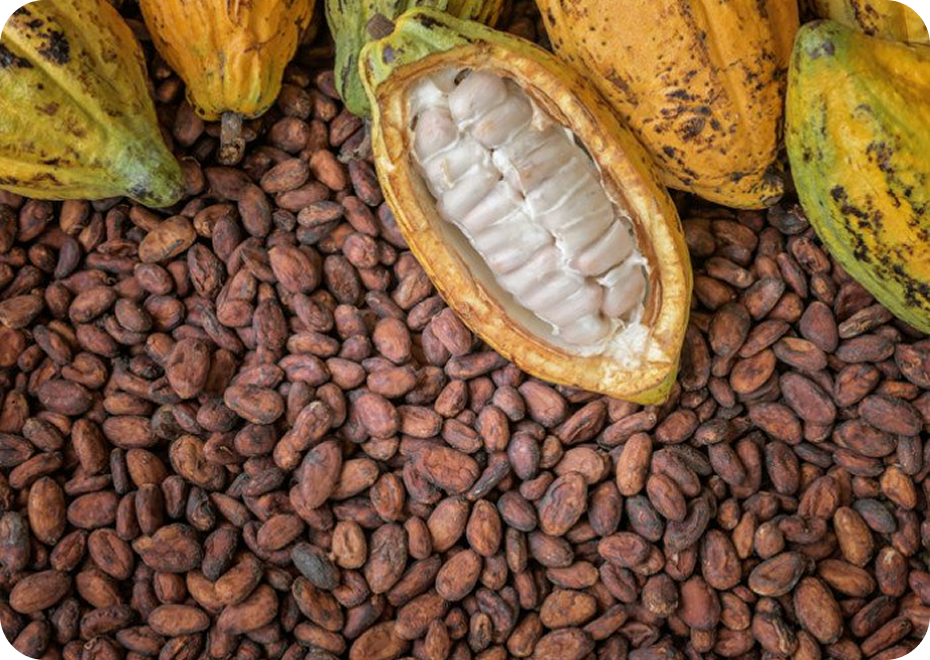
Nothing in the current picture argues against buying from Africa. It argues for pricing the whole chain rather than the product alone, and for holding enough optionality that one delayed corridor does not stop a programme. Buyers who already run two qualified origins for lines such as cocoa beans, Hass avocado and dried hibiscus have more room to move than those who do not. Our News and Insights archive follows these developments across the product range we source.
BNO Trading is a B2B sourcing and commodity-trading business connecting UAE and GCC buyers with suitable supply. If you are planning volumes for coming quarters, our team can go through specifications, grades, packaging formats, lead times and a quotation.
Discuss Your Commodity Sourcing Requirements with BNO Trading
Sources and Further Reading
- Commodity Markets Outlook, April 2026 — World Bank, published 28 April 2026.
- FAO Food Price Index up for third consecutive month, largely on rising vegetable oil prices — Food and Agriculture Organization of the United Nations, published 8 May 2026.
This article is commercial commentary reflecting publicly available information as of late May 2026. It is not legal, financial or insurance advice. Confirm current terms with your supplier, freight forwarder and insurer before committing.
 English