

Most annual supply plans are written after the year has started, once the buyer knows what Q1 costs and can negotiate nothing but the price in front of them. Better 2027 outcomes are built before January: specifications agreed, volumes modelled, alternative origins approved, escalation routes named. The raw material is not a forecast, but the record of what 2026 did to unprepared buyers.
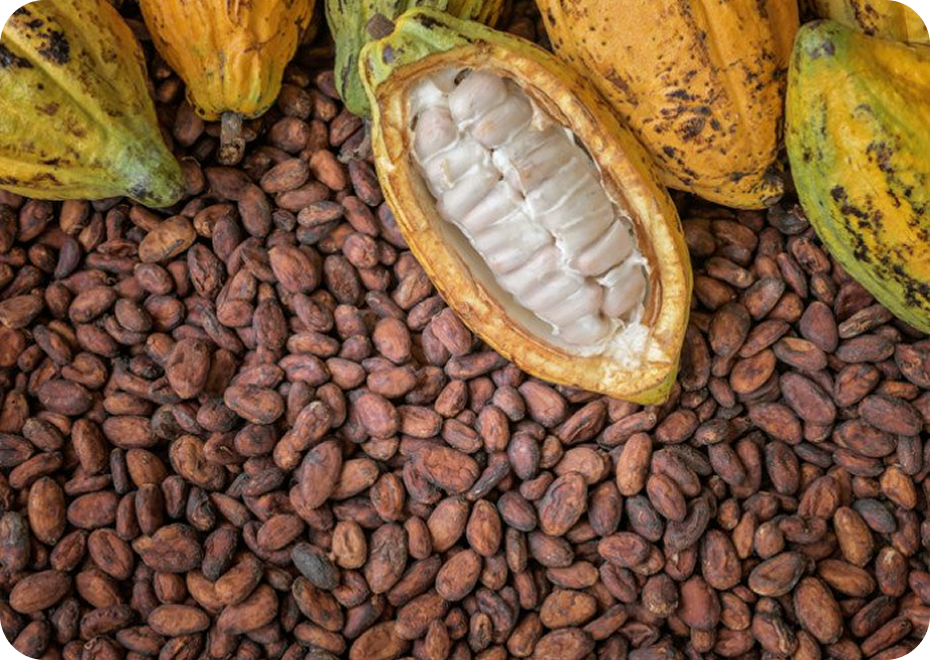
Three things stand out. Headline indices concealed divergent category moves: the FAO’s release of 3 July 2026 showed its Food Price Index down 0.3% to 130.3 points while rice rose 3.2% and vegetable oils rose 3.8%. A single cost line can reprice violently: S&P Global Commodity Insights reported on 22 July 2026, citing Marsh, that war-risk insurance for Strait of Hormuz transits had moved from a historic 1–3% of hull value to 7.5–10%. And supply-side estimates get revised: the International Cocoa Organization’s May 2026 bulletin put the 2024/25 global cocoa surplus at 48,000 tonnes, down from 75,000 tonnes in its February 2026 bulletin, and says figures may be revised again.
None of that tells you what 2027 will cost. All of it tells you how to build a plan that survives being wrong.
Start with Product Specifications
The specification is the only part of a supply agreement both sides can check objectively, and where most disputes are settled. Write it before you ask for a price.
For each 2027 line, fix the product form and grade, acceptable origins, packaging down to carton, liner and pallet configuration, net and gross weight, expected shelf life on arrival, the inspection point and method, destination documentation, and delivery terms. Where a quality attribute is judged rather than measured, agree the standard in writing and confirm how it is tested and by whom.
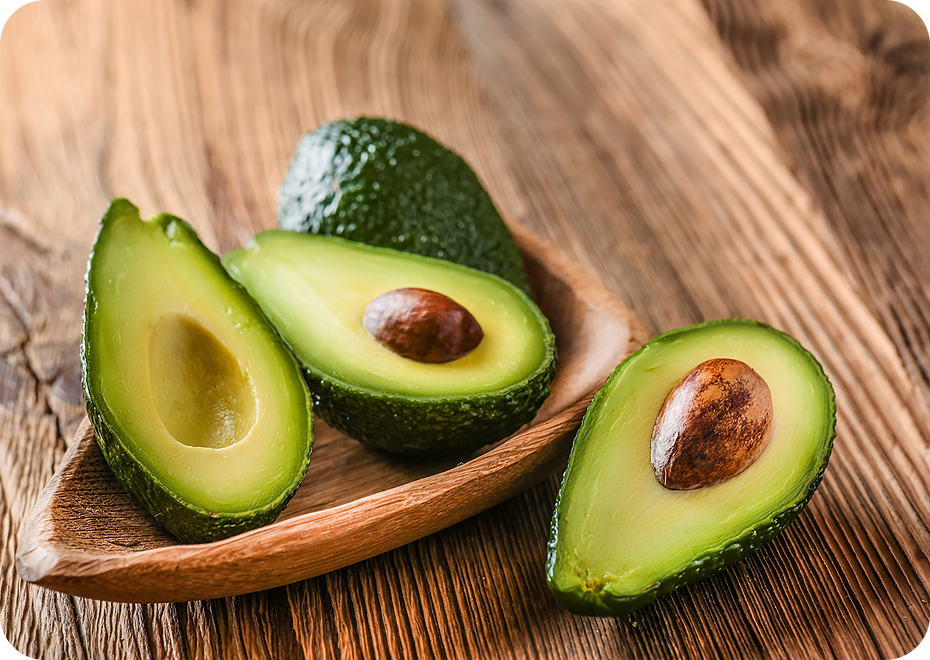
Detail differs by category. A perishable line such as Hass avocado turns on size count, maturity and cold-chain integrity; a processed ingredient such as alkalized cocoa powder turns on analytical parameters and batch documentation. One template will fail on one of them.
Forecast Volume in Scenarios
A single annual tonnage is not a forecast, it is an average of outcomes you have not thought about. Build four numbers per line, and name the decision each one drives.
- Base volume. What existing business consumes. This is what you tender and contract against.
- Growth volume. Base plus committed new customers or listings. It tells your supplier what capacity to reserve, and tells you whether a second origin is needed.
- Peak volume. Your heaviest consecutive weeks. This drives shipment scheduling and warehouse booking, not annual price.
- Contingency volume. What you would buy at short notice if a shipment failed. This sizes your approved alternative origins.
Set review dates now. Quarterly reforecasting only works if someone owns it and the supplier hears the outcome.
Understand MOQ and Container Economics
Volume planning that ignores how goods physically move produces schedules nobody can ship. Minimum order quantities, pallet quantities and full-container quantities follow from product density, packaging and vessel economics, and vary by product, origin and season. They are confirmed per product and per enquiry, so request them rather than reuse old assumptions.
Resolve early: the minimum order at this origin, cartons per pallet and pallets per container, whether mixed loading is possible and what it does to inspection and documentation, how freight is allocated across a mixed load, and what arrival volume does to your warehouse. An order that improves freight cost per tonne but overflows your covered storage has moved cost, not removed it.
Build Approved Alternative Origins
An alternative origin is only useful if it was approved before you needed it. Approval takes time: sample evaluation, specification matching, end-customer sign-off, regulatory documentation. Doing it under pressure is how buyers accept a product that technically arrives and commercially fails.
Map each origin’s harvest calendar and mark the weeks where none is in season. Those gaps are your real exposure. Where two origins serve one line, agree the equivalent specification explicitly, including tolerance differences, and decide how quality consistency is verified across both.
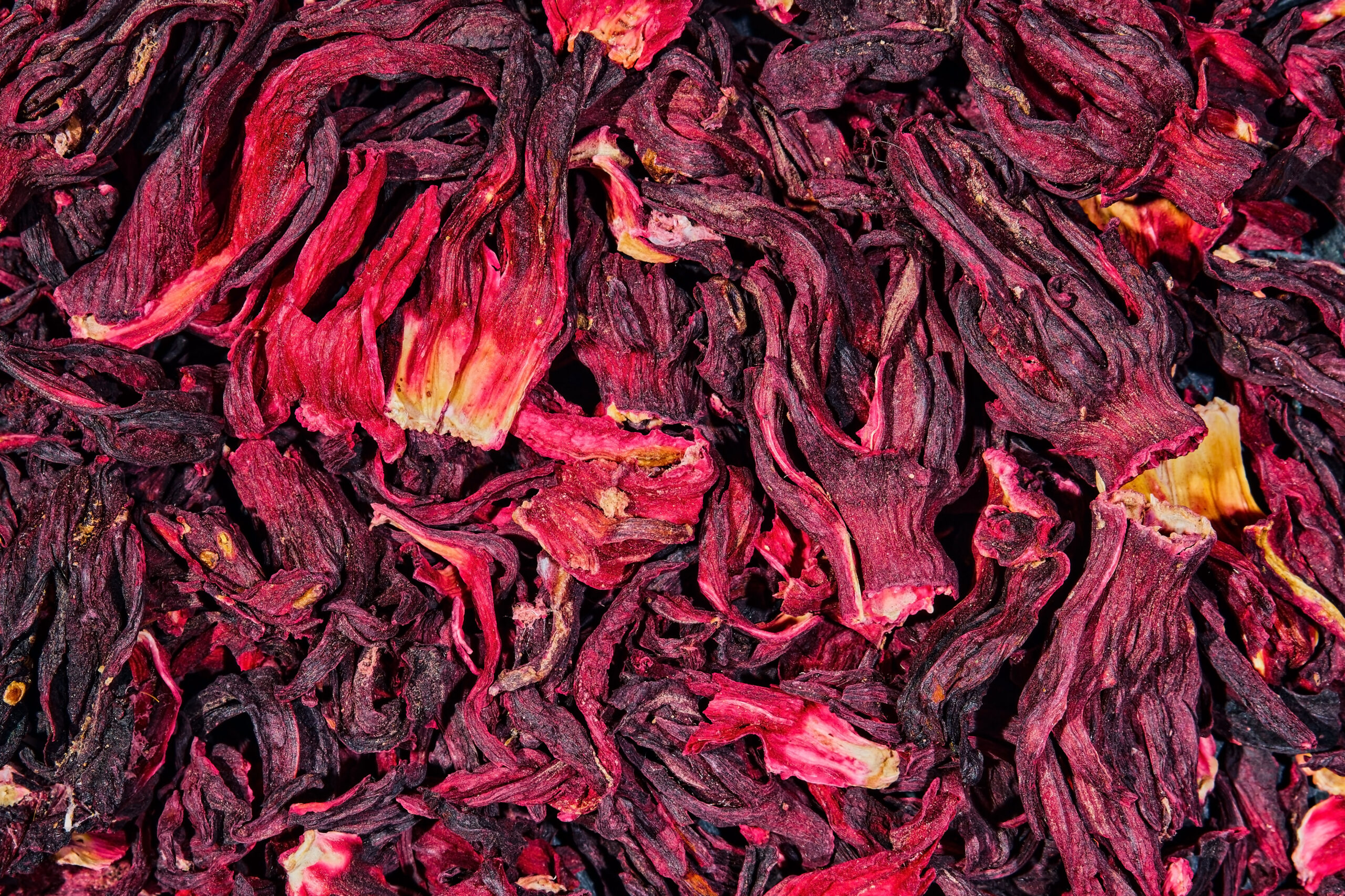
Some products can be sourced from more than one growing region, and those allow genuine multi-origin planning. Ask your supplier which of your lines, whether passion fruit, dried hibiscus or anything else on your list, actually have an alternative origin at equivalent specification. Others sit in fewer regions, and there the honest contingency is timing and stock cover, not substitution.
Separate Price Risk from Supply Risk
The lowest quoted price is not the lowest commercial risk, and the two are usually assessed by different people who never compare notes.
Two offers for one specification, one a few per cent cheaper. Now price the failure modes. Arrive three weeks late into a promotional window and the replacement is bought on the spot market at whatever it costs that week, plus expedited freight. Fail inspection on specification and you pay for the rejection, the disposal or return, and the replacement. Lose the cold chain and the claim runs longer than your sales calendar allows. Lost listings appear on no invoice, and over-ordering to cover all of it finances excess stock at your own cost of capital.
Any one of those outcomes can cost more than the discount saved, which does not make the cheaper offer wrong. It means the comparison must include delivery record, documentation, inspection regime and what happens when something fails.
2026 showed how the risk side moves independently of the price side. The USDA Foreign Agricultural Service attaché report of 6 April 2026 noted that rerouting around the Cape of Good Hope “could nearly double transit times” for Kenyan avocado exports: a supply-risk event carrying no price tag until it reaches your shelf.
Agree a Communication and Escalation Process
Most supply failures are discovered late rather than caused suddenly. Agree who tells whom, and when.
- Purchase-order confirmation. Written acceptance of specification, quantity, price basis and shipment window.
- Production or harvest updates. Scheduled, not a response to chasing.
- Inspection. Who inspects, at what point, and how results are shared before loading.
- Document approval. Drafts reviewed before originals issue, since clearance depends on them.
- Shipping milestones. Booking, loading, departure, transhipment, arrival.
- Delay escalation. A named contact and a trigger point, in days, at which the conversation moves up.
- Claims. Notification window, evidence required, who bears the survey cost.
A Practical 2027 Planning Checklist
- Rank lines by exposure, not spend. A small-volume ingredient with one approved origin can stop production.
- Reissue every specification in writing and confirm the supplier accepted the current version.
- Model base, growth, peak and contingency volumes per line, with named review dates.
- Request MOQ, pallet and container quantities per product and origin, then check against your storage.
- Approve one alternative origin for every line where substitution is realistic.
- Plot harvest calendars and mark weeks with no approved origin in season.
- Cost your failure modes once, in writing, so price comparisons include them.
- Name escalation contacts on both sides and agree the trigger points.
- Track sources, not headlines. The FAO publishes its Food Price Index monthly, and the World Bank publishes its Commodity Markets Outlook twice a year, in April and October. Work from the most recent edition of each.
- Diarise a reforecast after each release you rely on.
Plan for Revision
The strongest argument for scenario planning is how often published estimates changed during 2026. ICCO’s cocoa surplus estimate moved between its February and May 2026 bulletins, and the World Bank’s Commodity Markets Outlook of 28 April 2026 reversed the direction of its own October 2025 edition. Both came from credible institutions working with better data. A plan built to be right gets revised in anger; a plan built to be revised gets revised on schedule.
If you are setting 2027 volumes, share the specifications, destination market, packaging format and indicative annual tonnage, and our team can come back with available origins, packaging options, minimum quantities and lead times. You can also review the product range and our news and insights.
Start Your 2027 Commodity Sourcing Discussion
Sources and Further Reading
- FAO Food Price Index edges down amid diverging commodity price movements — Food and Agriculture Organization of the United Nations, 3 July 2026.
- May 2026 Quarterly Bulletin of Cocoa Statistics, Vol. LII No. 2 — International Cocoa Organization, 29 May 2026.
- Middle East shipping insurance costs rise on Hormuz risks — S&P Global Commodity Insights, citing Marsh, 22 July 2026.
- Kenya: Avocado, GAIN report KE2026-0007 — USDA Foreign Agricultural Service, 6 April 2026.
- Commodity Markets Outlook, April 2026 — World Bank, 28 April 2026.
This article provides general procurement information. Product availability, pricing, shipping conditions and lead times must be confirmed through a current quotation.
 English