
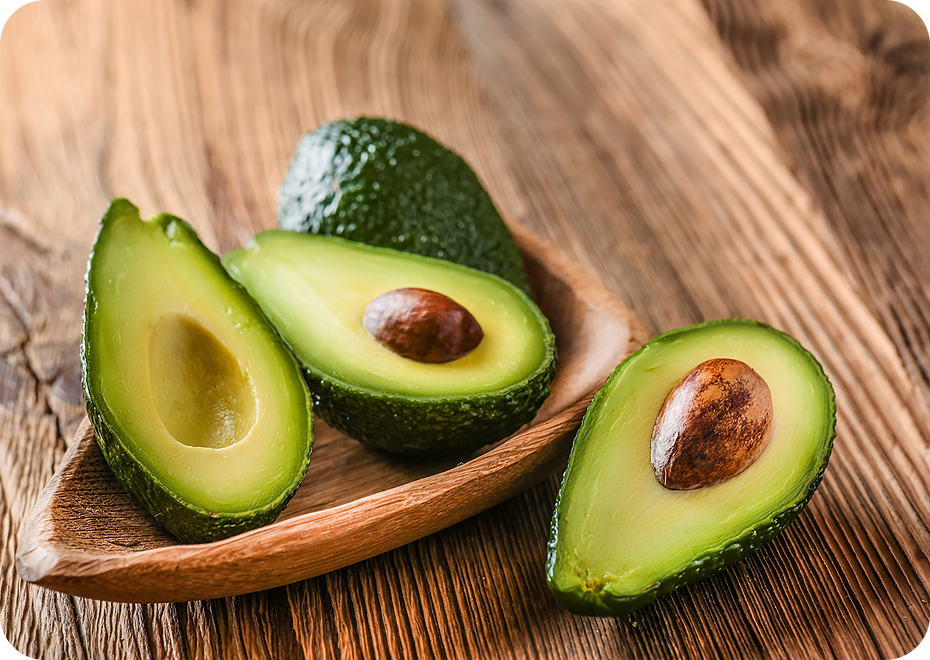
A pallet of avocados can arrive at a Dubai distribution centre inside a correctly set refrigerated container and still be rejected by the receiving retailer. The set-point held for the whole voyage, the reefer logs are clean, and the fruit is still uneven, bruised or ripening on a schedule nobody planned for. The damage happened before the container doors closed.
Refrigeration preserves the condition it is given. It does not improve it. A cold chain is a sequence of controlled handovers that begins in the orchard and ends at the customer’s shelf, and every link can be specified, documented and verified before an order is placed.
USDA’s Foreign Agricultural Service attaché report on Kenyan avocados, published on 6 April 2026, identified “ongoing structural challenges in post-harvest management, logistics, and the capacity for market absorption” as constraints on the sector, and noted that processing growth is held back by cold-chain limitations and compliance requirements. Origin capability varies, and buyers who check it get better fruit.
Quality Begins Before Harvest
Maturity at harvest sets the ceiling on everything that follows. Fruit picked before it is physiologically mature will never ripen properly, however well it is cooled. It shrivels, ripens unevenly, or stays rubbery, and nothing downstream recovers it.
Regulators treat this seriously. Under rules announced by Kenya’s Agriculture and Food Authority, in an announcement relayed by the Kenya Export Promotion and Branding Agency in March 2026, handling immature fruit attracted immediate licence revocation.
Agree the maturity standard with your supplier in writing, and confirm how it is tested, how often and who records the result. Ask for the harvest date per lot, the grower or grower group behind it, and the field condition at picking. Rain before harvest, heat stress or fruit that has been on the ground all change how a consignment behaves in transit.
From Farm to Packhouse
Most avoidable damage is mechanical and happens in the first few hours. Fruit tipped into a truck bed or compressed under its own weight arrives with bruising that will not show for days, but will show before the customer sells it.
Kenya’s 2026 season rules make the transport method explicit: harvested fruit must be handled and transported in crates, with open pick-up and “Probox” transport prohibited and licence revocation as the penalty. Ask what the fruit travels in between field and packhouse, and whether it is held in shade while it waits.
Timing matters as much as method. Fruit standing in the sun on a loading bay accumulates field heat that must later be removed at cost. Receiving, sorting, cleaning, grading and packing should run as a continuous sequence rather than a queue.
Inspection scheduling is part of that timing. Under Kenya’s 2026 season rules, exporters had to apply for packhouse inspection at least three days before shipment; packhouse inspections for the 2026 season began on 7 April 2026, with harvesting and sea-freight export consignments opened from 2 April 2026. Origin paperwork has lead times of its own, and a shipment date is only real if the application behind it was filed on time.
Pre-Cooling and Temperature Management
Field heat is the enemy of shelf life. Produce arrives at the packhouse warm and respiring quickly. Pre-cooling removes that heat before loading, so the container holds a stable temperature rather than trying to pull one down. A reefer unit maintains air temperature; it is not designed to chill a warm pallet through its core.
Do not accept a general assurance that fruit was kept cold. Agree the target temperature and the acceptable tolerance in writing, for the specific product, variety and intended shelf life, and confirm the pre-cooling method and duration. A number copied from a general reference is no substitute for a specification your supplier can hit.
Then require evidence: calibrated data-logger records covering pre-cooling, loading, the voyage and discharge. What you are looking for is consistency. Repeated warming and re-cooling, or a gap in the record around transhipment or port handling, is where quality is lost and where claims become unprovable.
Packaging and Airflow
Cold air has to reach the fruit. Cartons with inadequate vent area, or vents that stop lining up once pallets are stacked and wrapped, create warm cores in the middle of a load while sensors near the return air read perfectly.
- Ventilation. Confirm vent placement and open area, and that the stacking pattern preserves the airflow path.
- Carton strength. Board grade must hold under humidity and pallet height for the whole transit, not just at loading.
- Product protection. Liners, trays or inserts sized to the count, so fruit is not moving inside the carton.
- Pallet integrity. Stable patterns, corner protection and strapping that does not crush the top layers.
- Labelling. Lot, grade, size count, pack date and origin on every carton, legible after refrigeration.
Sea Freight Versus Air Freight
Neither mode is generally better. They price different risks, and the right answer changes with the product, the order size and the commitment behind it.
Sea freight suits volume, planned programmes and produce with enough remaining shelf life to absorb a long voyage. Air freight suits smaller quantities, more perishable lines, and situations where the delivery date outweighs unit cost. Many buyers run both.
Both depend on transit assumptions. The USDA attaché report of 6 April 2026 observed that rerouting around the Cape of Good Hope could nearly double transit times. A shelf-life calculation built on a historic sailing schedule stops being valid the moment routing changes. Confirm the routing, expected transit days and transhipment points for each shipment, and recalculate remaining shelf life at destination against that figure.
Arrival, Ripening and Final Distribution
Inspect at discharge, not at the customer’s door. Record pulp temperatures on arrival, download the loggers before the container is stripped, and photograph any damage while the cargo is still in position.
Ripening should be planned, not discovered. Decide before arrival whether fruit will be delivered firm, conditioned or ripened to a defined stage, and match that to the customer’s delivery window. Retail, foodservice and processing buyers each need a different arrival condition from the same consignment.
Final-mile distribution is where a good chain is most often broken. Ambient staging areas, delivery vehicles without adequate cooling and stock rotated by pallet rather than lot age will undo a clean voyage in a day. Keep the temperature record continuous through your own warehouse and delivery legs, because it is also your claims evidence.
Cold-Chain Questions Buyers Should Ask
- Maturity standard. What is it, how is it tested, and who signs it off per lot?
- Harvest to packhouse. What container, what interval, and is the fruit shaded?
- Pre-cooling. What method and duration, and what is reached before loading?
- Target temperature. Agreed in writing, with a stated tolerance for this product and variety.
- Monitoring. How many loggers, positioned where, calibrated when, released to whom?
- Packaging. Carton specification, vent area, liner type, count per carton, pallet pattern.
- Routing. Confirmed vessel, transhipment points and expected transit days for this shipment.
- Documentation. Certificates, phytosanitary paperwork, traceability to the grower.
- Claims. What evidence is required, and what is the notification deadline?
Specifying the Chain Before You Buy
Cold-chain performance is a supplier selection question. The decisions that determine whether fruit arrives saleable are made at the orchard, the crate, the packhouse door and the pre-cooling room, and all are visible in advance to a buyer who asks in writing.
BNO Trading works with UAE and GCC buyers to match requirements to supply that can meet them, including Hass avocado, passion fruit and watermelon programmes. Send your specification, grade, packaging format, destination and volume, and we will come back on availability, handling arrangements and lead times. You can also browse the wider product range and our news and insights.
Discuss Your Fresh Produce Supply Programme
Sources and Further Reading
- Kenya: Avocado, GAIN report KE2026-0007 — USDA Foreign Agricultural Service attaché report, 6 April 2026.
- Agriculture and Food Authority opens avocado season for Kenya’s exporters — Kenya Export Promotion and Branding Agency, relaying the Agriculture and Food Authority, 31 March 2026.
General commercial commentary, not legal, financial or food-safety advice. Regulatory requirements and source figures are as published and current to 12 August 2026, and are subject to change by the issuing authorities. Agree all technical specifications, including temperature parameters, in writing with your supplier.
 English